Press photos are probably one of the greatest weaknesses in most artists’ marketing.
Everywhere you look, there are screens. Big screens, small screens, tall screens, short screens, attached screens, detached screens.
Before my inner Dr. Seuss completely takes over, here’s the point: a great photo can be the difference between an artist filling that digital real estate and somebody else getting the opportunity.
Artist press photos are professional images supplied to journalists, streaming services, promoters and other media for use when featuring the artist.
You do not need 100 of them. You need a handful of strong, current photos that people can actually use.
1. Start with high-resolution files
Do not make somebody ask whether you have a bigger version.
For digital use, pixel dimensions matter more than the old habit of simply calling something “300 DPI.” A tiny image does not become high resolution because somebody changes the DPI setting.
Keep the largest original files from your photographer and make those available when someone requests them.
As one current example, Apple Music asks artists selected for certain editorial opportunities to provide publicity photos at least 3000 pixels on one side, in RGB color and at least 2 MB in size.
Different outlets have different requirements, so give yourself room to work.
Also be careful when emailing photos. Some apps and services automatically shrink images before sending them.
2. Show your face
I know. Very advanced stuff.
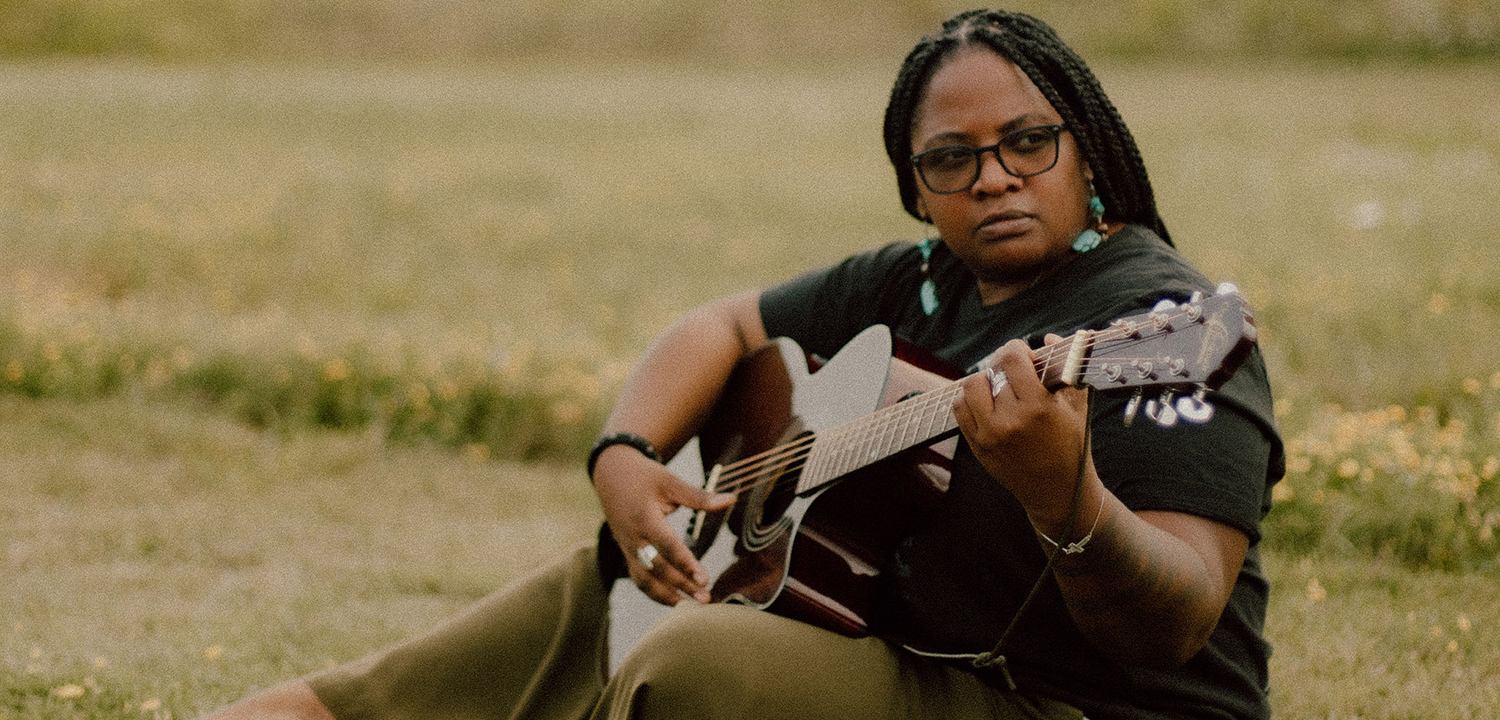
People featuring an artist usually need a photo where the audience can identify the artist.
Your logo may change. Fonts change. Colors change. Hair definitely changes.
Your face is still one of the most recognizable pieces of your artist identity.
That does not mean every photo needs to look like a driver’s license picture. Be creative. Use interesting lighting, locations and compositions.
Just make sure people can tell who they are looking at.
Save the mysterious silhouette for one of the other photos.
3. Keep the background under control
A simple background does not mean everybody needs to stand in front of a gray wall at JCPenney.
It means the artist should remain the focal point.
A great location can add personality. A terrible location can make someone spend five minutes trying to figure out why there is a trash can growing out of the drummer’s head.
Before you approve the photo, look beyond the artist.
Check the background, edges and anything else that could become distracting once the image appears on a website or playlist.
4. Give people current photos
Press photos should represent the artist as they look now.
If the photo is from three album cycles ago and nobody has had that haircut since 2018, it is probably time for another shoot.
You do not necessarily need to replace every image on an arbitrary schedule. However, new music, a major visual change or a new era for the artist are all good reasons to refresh the photo library.
Also give your team more than one usable image.
Journalists and platforms appreciate choices, especially when another publication has already used the photo everybody sees first.
If you are building a complete media package, our guide to public relations for musicians explains how those photos fit into the larger outreach strategy.
5. Shoot for several crops
The original version of this article told you to make sure you had a square photo.
That is still useful, but it is no longer enough.
The same artist image may need to work as a square, vertical portrait, horizontal website image or another platform-specific crop.
So ask your photographer for variety.
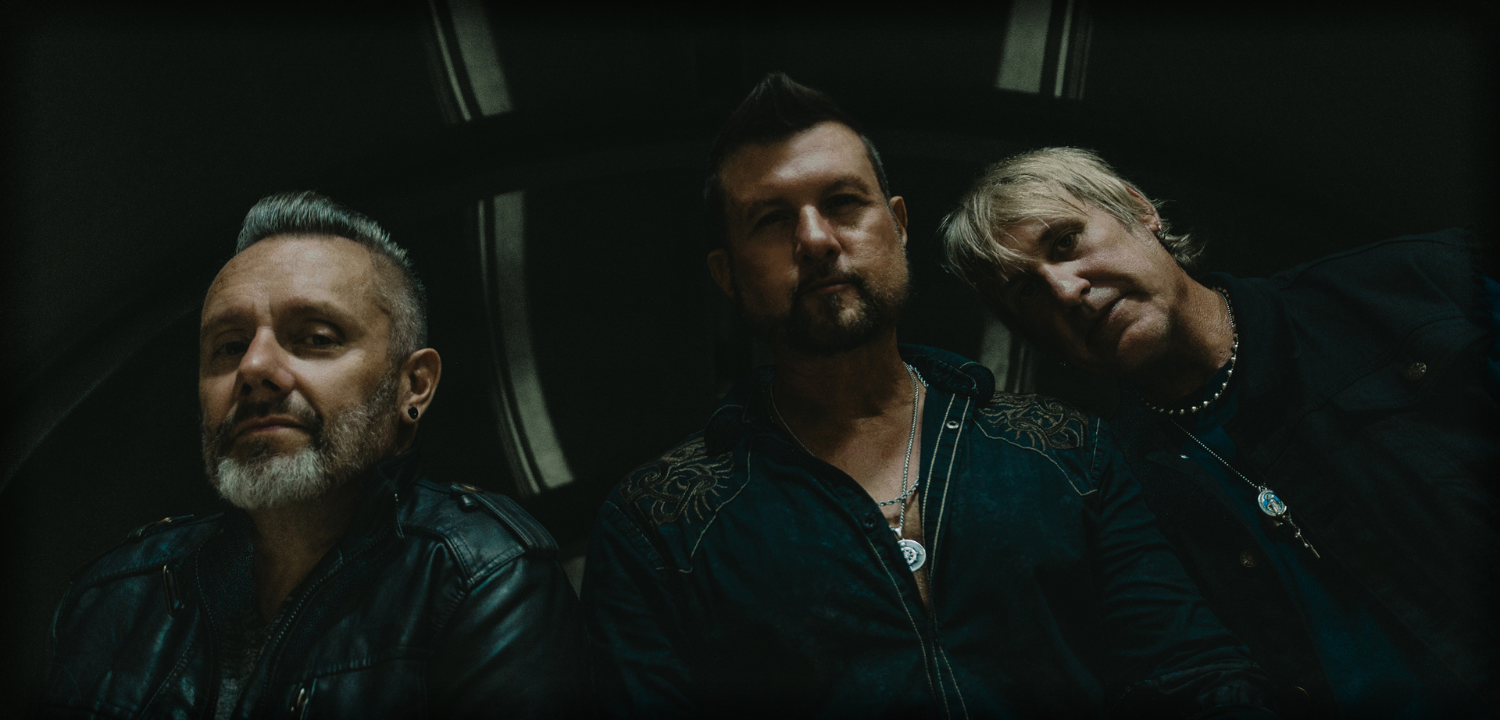
For a solo artist, get shots with some open space around the subject. For a group, keep the members close enough together that nobody disappears when the image gets cropped.
Apple Music’s current publicity-photo guidance is especially strict about this because its images need to work across different devices and editorial placements.
The practical rule is simple: do not frame every photo so tightly that there is only one possible way to use it.
6. Leave off logos, text and graphic design
A press photo should usually be a photo.
Do not turn it into:
- album artwork
- a concert flyer
- a release-date graphic
- a logo treatment
- a social media ad
Journalists, streaming services and designers need the flexibility to place the image inside their own layouts.
Apple Music, for example, specifically requires publicity photos without added branding and also restricts visible third-party logos and branded products in images submitted for its editorial use.
So keep clean versions of your strongest photos available.
Your designer can always add graphics later.
Removing them later is considerably harder.
7. Make the photos look like the artist
This is the fun part.
A press photo should show some personality.
When Dolly Parton’s team began rolling out her rock album Rockstar, her visuals became darker and more rock-oriented while still keeping unmistakable pieces of Dolly: rhinestones, big hair and plenty of glamour.
The photos fit that particular project without making her look like a completely different person.
That is the balance.
Match the photography to the music, mood and artist brand.
If you are releasing a quiet acoustic record, the right photo may feel completely different from the images surrounding a loud rock album.
Consistency does not mean making every photo identical.
It means they should all make sense coming from the same artist.
Give the media options
A useful press-photo folder should have several strong images instead of 47 nearly identical takes from the same pose.
Ideally, give people:
- high-resolution originals
- horizontal and vertical options
- images that can crop well into a square
- clear file names
- the photographer’s name for proper credit
Keep the files organized and easy to download.
Then use those photos alongside a current biography and the rest of your press materials. Our guides to writing an artist bio and writing a music press release cover those pieces.
Do not lose an opportunity because you were not ready
The most important thing about artist press photos is that they show people who you are.
Make the files big enough to use. Show your face. Keep the composition clean. Give people several crops. Leave the graphics off. Most importantly, make the images feel like the artist and the music.
Then keep the good files somewhere your team can actually find them.
You do not want the email saying, “Can you send us a high-resolution photo by noon?” to start a scavenger hunt.